
Construction managers tend to focus on programme, procurement and site logistics, yet many time and carbon savings sit upstream in the manufacturing of metal components. Roofing and cladding profiles, light-gauge framing, ductwork and cable tray often start life as coil. How that coil is processed affects lead times, waste and quality.
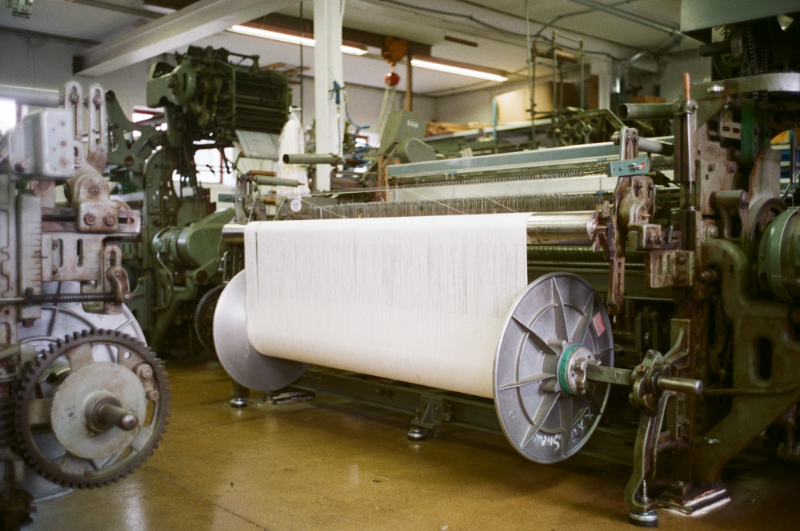
A slitting machine cuts wide metal coils into narrower, accurately sized strips that can then be roll-formed, stamped or fabricated into finished parts. Although it sits in the factory, its performance shows up on site as fewer defects, steadier deliveries and less rework.
Why slitting quality matters to project delivery
Poor slitting can create a chain reaction. Inconsistent strip width, camber or burr formation can cause roll-forming issues, dimensional drift and surface damage. The result is rejected batches, late deliveries and last-minute substitutions.
From a construction management perspective, the risks are familiar:
-
Programme risk when critical packages are delayed
-
Cost risk from expedited transport, overtime and rework
-
Quality risk when tolerances are compromised and defects are discovered late
-
Safety risk if sharp edges and burrs increase handling hazards
Improving upstream cutting accuracy is therefore not just a manufacturing concern; it is a practical lever for reducing project uncertainty.
Waste reduction and sustainability benefits
Material efficiency is becoming a measurable requirement. Better slitting reduces edge trim losses and minimises scrap caused by downstream forming problems.
For teams tracking embodied carbon, these gains matter. Less scrap means fewer replacement coils, fewer deliveries and less energy spent reprocessing material. It also supports more stable supply chains when projects are trying to align procurement with sustainability targets.
What to ask suppliers about their slitting capability
Construction teams rarely specify how coil is slit, but they can influence outcomes through procurement questions and quality plans. When evaluating manufacturers of coil-fed products, consider asking:
1. What strip width tolerances are routinely achieved and how are they verified?
2. How are knives set, inspected and maintained to control burrs?
3. Which grades and thicknesses are processed without compromising edge quality?
4. How is batch traceability maintained from slit coil to finished product?
These questions help shift conversations from unit price to total risk and total cost of ownership.
Automation and integration in modern coil processing
Modern coil processing equipment is increasingly data-driven. Automated setup, tension control and inline inspection can reduce operator dependency and improve repeatability. Integration with production planning systems supports better forecasting and more reliable delivery promises.
For manufacturers investing in higher performance equipment, specialist providers such as Jorg offer engineered solutions focused on throughput, accuracy and serviceability. A well-specified slitting machine can support consistent output and quality for construction product supply.
Practical takeaways for construction managers
Even if you never visit a coil line, you can still capture the benefits:
-
Build slitting-related checks into supplier audits for high-risk packages
-
Ask for evidence of edge quality control and dimensional verification
-
Treat upstream process capability as a programme protection measure
As the industry pushes for faster delivery and lower embodied carbon, upstream manufacturing capability will increasingly determine whether projects hit their targets.

No comment for this article.